
Lumber warps when it gains or loses moisture unevenly. Changes in humidity, improper storage, exposure to the weather, and natural wood movement can cause boards to bend, twist, cup, or bow. Proper storage, acclimation, and selecting quality lumber can help reduce the risk of warping.
Whether you’re building a deck, framing a home, or tackling a DIY project, warped lumber can lead to frustrating delays and wasted material. Understanding why wood warps can help you choose the right products and keep your project on track.
Why Does Lumber Warp?
Wood is a natural material that continues to respond to its environment even after it has been cut and milled. As moisture levels change, wood expands and contracts. If one side of a board dries or absorbs moisture faster than the other, the board can change shape.
Common Causes of Warping
Moisture Changes
The most common cause of warped lumber is uneven moisture. Rain, snow, high humidity, or direct sunlight can cause one side of a board to dry or absorb moisture faster than the other.
Improper Storage
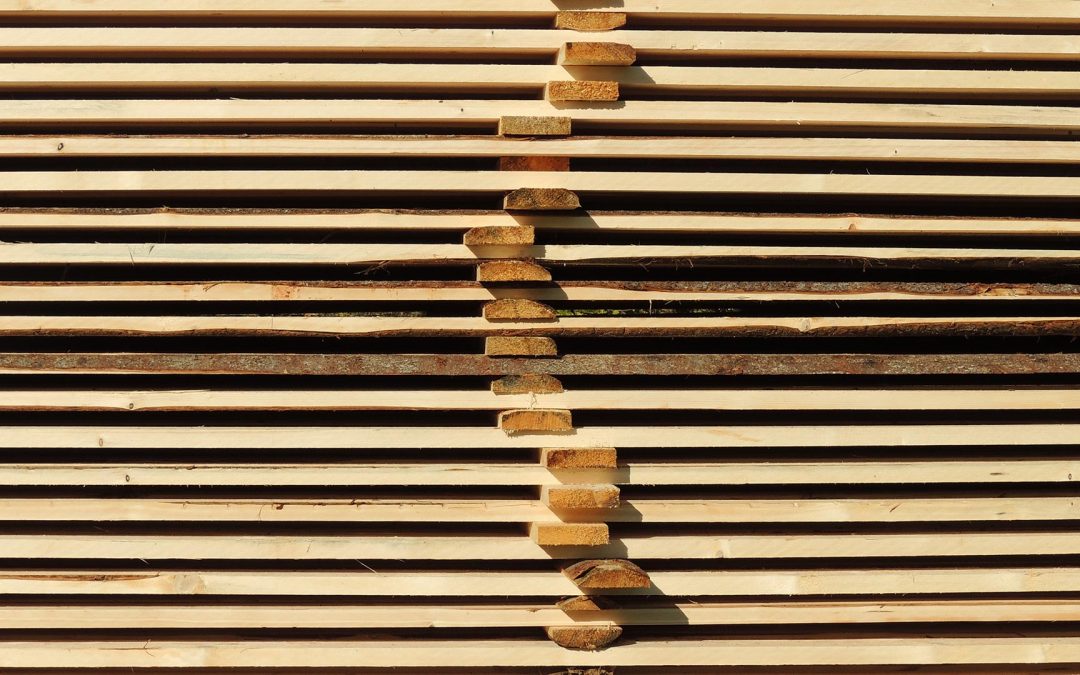
Lumber stored directly on the ground or without proper support is more likely to warp. Boards should be stacked flat on a level surface with spacers between layers to promote airflow.
Exposure to the Elements
Leaving lumber uncovered for long periods can expose it to moisture and heat. Protecting lumber with a breathable cover helps reduce unnecessary movement while still allowing airflow.
Natural Wood Characteristics
Every piece of lumber is unique. The direction of the wood grain, knots, and the way the board was cut all influence how stable it will be over time. Some movement is a natural characteristic of wood.
Types of Lumber Warping
Warping can appear in several ways:
- Bow: The board curves along its length.
- Cup: The edges rise while the center dips, creating a curved surface across the width.
- Twist: Each end rotates in a different direction.
- Crook: The board curves along one edge instead of lying straight.
Recognizing these types of warping can help you determine whether a board is still suitable for your project.
How to Prevent Lumber from Warping
While no wood is completely immune to movement, you can reduce the risk by following a few best practices:
- Store lumber flat on a dry, level surface.
- Keep boards off the ground.
- Cover lumber with a breathable tarp if stored outdoors.
- Allow lumber to acclimate to the jobsite before installation.
- Purchase quality lumber that has been properly dried and stored.
Choosing Quality Lumber Matters
Starting with high quality lumber is one of the best ways to minimize future problems. Properly stored, kiln dried lumber is generally more stable and easier to work with than material that has been exposed to excess moisture.
At Logic Lumber, we supply quality building materials for homeowners, contractors, and builders throughout Southern Alberta. Our team can help you choose the right lumber for your project and provide reliable delivery when you need it.
If you’re planning your next build, contact Logic Lumber for quality lumber, building materials, and expert advice to help keep your project running smoothly.