
Quick Answer
Framing lumber can usually handle some rain without being ruined. Wood naturally absorbs and releases moisture, so getting wet during construction is not automatically a problem. The bigger concern is whether the lumber stays wet for too long, becomes heavily saturated, or is enclosed before it has a chance to dry properly.

Is Framing Lumber Ruined if It Gets Wet?
Usually, no.
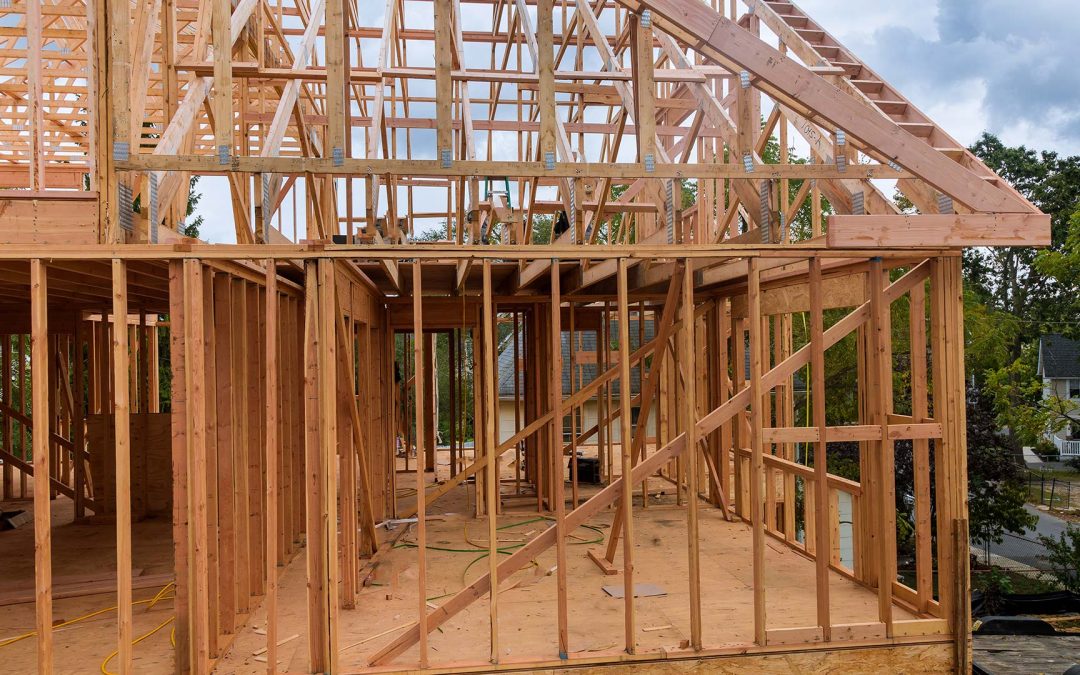
It is very common for framing lumber to be exposed to rain during construction. A house may be framed for days or weeks before the roof, windows, and exterior finishes are fully installed.
Most structural lumber can tolerate temporary exposure to moisture.
Problems are more likely when wood remains wet for an extended period or is covered up before drying.
What Can Happen When Lumber Gets Wet?
When wood absorbs moisture, it can swell slightly.
As it dries, it may shrink again. That moisture movement can sometimes lead to:
- Warping
- Twisting
- Cupping
- Checking
- Splitting
- Surface staining
- Changes in dimensions
The amount of movement depends on the species, grade, moisture content, how long the lumber stayed wet, and how it dries.
Can Wet Lumber Cause Mold?
It can if moisture remains trapped for long enough.
Brief rain exposure does not automatically mean mold will develop. The risk increases when lumber stays damp, has poor airflow, or is enclosed before drying.
That is why ventilation and drying time matter during construction.
Should Wet Framing Be Allowed to Dry Before Closing It In?
Yes.
Before insulation, drywall, vapour barriers, or other finishes are installed, framing should be dry enough for the next stage of construction.
Closing in excessively wet lumber can trap moisture inside the wall or roof assembly and create avoidable problems later.
Builders may use moisture meters when there is concern about how wet the framing is.
What Should You Do After Framing Gets Rained On?
A few simple steps can help:
- Allow good airflow around the framing
- Remove standing water where possible
- Avoid covering wet lumber too quickly
- Inspect for visible warping or damage
- Give the structure time to dry before enclosing it
- Check moisture levels if the lumber was heavily soaked
Sun, wind, and dry weather can help framing dry surprisingly quickly.
What About Lumber Stored on Site?
Stored lumber should be protected differently than installed framing.
If possible, keep lumber:
- Raised off the ground
- Covered from direct rain
- Ventilated underneath the cover
- Stacked evenly
- Protected from standing water and mud
A tarp can help, but wrapping lumber too tightly can trap moisture instead of allowing it to dry.
Does Alberta Weather Make This More Important?
Yes.
Alberta job sites can see rapid weather changes, including rain, snow, wind, and large temperature swings.
That makes proper lumber storage and moisture management especially important. Material that gets wet is not necessarily unusable, but it should be handled carefully and allowed to dry properly before it is enclosed.
When Should Wet Lumber Be Replaced?
Replacement may be necessary if the lumber has:
- Significant warping
- Severe twisting
- Structural damage
- Rot
- Extensive mold growth
- Cracks or defects that affect its intended use
If there is any doubt about structural framing, it should be assessed before construction continues.
Need Framing Lumber for Your Next Project?
Rain does not automatically ruin framing lumber, but choosing good material and storing it properly can make a big difference on site.
At Logic Lumber, we supply framing lumber and building materials for contractors, builders, and homeowners throughout Southern Alberta.
If you need help selecting the right lumber for your next build, contact Logic Lumber and our team can help you plan your material order.