
When planning a construction project in southern Alberta, one of the most common material decisions builders face is choosing between plywood and oriented strand board (OSB). Both are widely used for structural applications like subfloors, wall sheathing, and roofing—but they each come with unique advantages and drawbacks.
If you’re sourcing materials from a trusted plywood supplier in Alberta or exploring options for your next build, understanding the differences between plywood and OSB can help you make the right decision for your project, budget, and local climate conditions.
What is Plywood?
Plywood is an engineered wood product made by layering thin sheets of wood veneer, with each layer’s grain running perpendicular to the one below it. This cross-grain structure gives plywood its strength, stability, and resistance to cracking or splitting.
Builders across Alberta rely on plywood for a wide range of applications thanks to its durability and versatility. When purchasing plywood in Alberta, you’ll find options suited for everything from structural framing to interior finishing.
What is OSB?
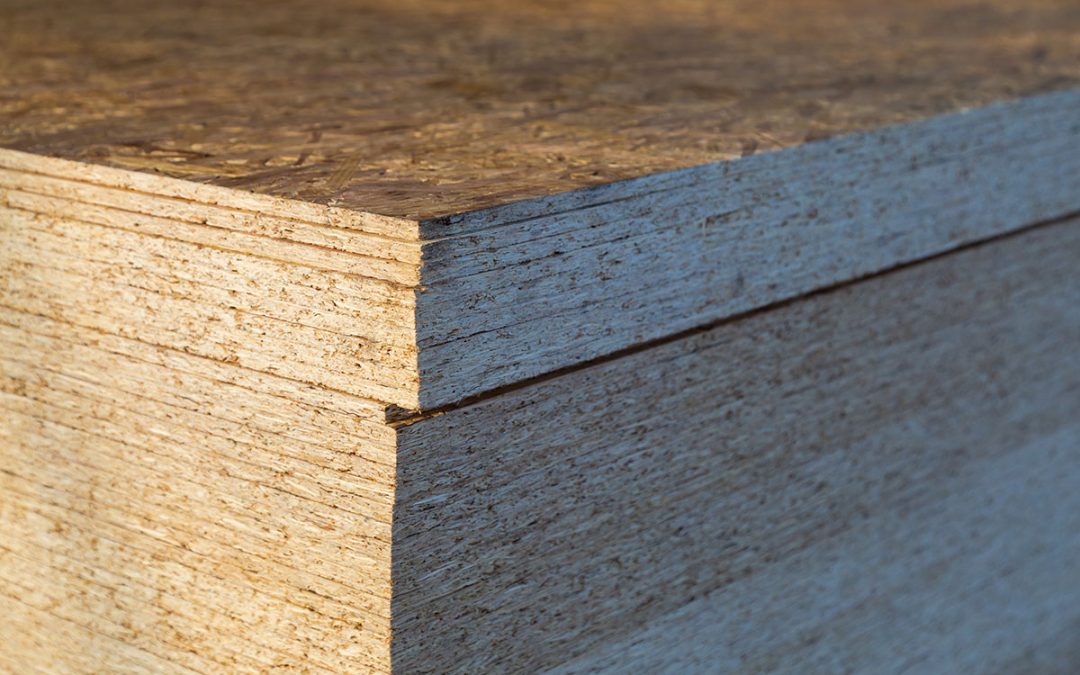
Oriented strand board (OSB) is another engineered wood product, but instead of layered veneers, it’s made from compressed wood strands bonded together with adhesives. These strands are arranged in specific orientations to create strength similar to plywood.
OSB is often chosen for its affordability and consistent manufacturing process. It’s commonly used in wall sheathing, roof decking, and subflooring—making it a popular alternative to plywood for many builders.
Key Differences Between Plywood and OSB
While both materials serve similar purposes, there are several important differences to consider when choosing between them.
1. Strength and Durability
Plywood is generally considered stronger and more durable than OSB, especially when it comes to holding nails and resisting impact. Its layered construction allows it to flex slightly without breaking, which can be beneficial in Alberta’s freeze-thaw climate.
OSB, on the other hand, offers consistent strength across each panel but can be more prone to edge swelling when exposed to moisture over time.
2. Moisture Resistance
Moisture resistance is a critical factor when working with building materials in Alberta. Plywood tends to handle moisture better than OSB, drying faster and maintaining its shape after exposure.
OSB can absorb water more slowly, but once it does, it may take longer to dry and can swell at the edges. For projects where exposure to rain or snow is likely, many builders prefer plywood for added peace of mind.
3. Cost Considerations
One of the biggest advantages of OSB is its lower cost. For large projects, choosing OSB can lead to significant savings upfront.
However, it’s important to look beyond initial cost. Working with a reliable lumber supplier in Alberta ensures you’re getting high-quality materials that will perform over time. In some cases, the durability of plywood can reduce long-term repair or replacement costs.
4. Weight and Handling
Plywood is typically lighter than OSB, making it easier to handle and install—especially for smaller crews or DIY builders.
OSB panels tend to be heavier and denser, which can make installation more physically demanding. This is an important consideration when working on large roofing or flooring projects.
5. Appearance and Finishing
If your project involves visible surfaces, plywood is usually the better option. It has a smoother, more natural wood appearance that can be sanded and finished.
OSB has a rough, textured look that is not typically used for finishing applications. For interior projects like cabinetry or furniture, plywood remains the preferred choice.
Which Material is Better for Alberta Projects?
The answer depends on your specific project and priorities. Alberta’s climate plays a big role in material performance, so it’s important to choose wisely.
- Choose plywood if:
- Your project may be exposed to moisture
- You need stronger nail-holding ability
- Appearance matters for finishing work
- You want a material that performs well in fluctuating weather
- Choose OSB if:
- You’re working within a tight budget
- The material will be fully protected from the elements
- You need consistent panel sizing for large-scale builds
Many contractors actually use both materials within the same project, depending on the application.
Why Your Supplier Matters
No matter which material you choose, working with the right supplier is key. A trusted plywood supplier in Alberta or lumber supplier in Alberta can help you select the best option based on your project’s needs.
Local suppliers understand the demands of Alberta construction and can recommend materials that perform well in the region. They also provide reliable lumber delivery, ensuring your materials arrive on time and in good condition.
When sourcing building supplies in Lethbridge, choosing a knowledgeable supplier gives you access to expert advice, quality products, and dependable service—all of which contribute to a smoother build.
Final Thoughts
Both plywood and OSB have their place in construction, and each offers unique benefits depending on the situation. Plywood stands out for its strength, moisture resistance, and versatility, making it a top choice for many Alberta builders. OSB, meanwhile, provides a cost-effective alternative that performs well in controlled environments.
If you’re planning your next project and weighing your options for plywood in Alberta, take the time to consider how each material will perform in your specific conditions. With the right choice—and the right supplier—you can ensure your build is strong, efficient, and built to last.